

Credit: Sateliot
PARIS — SpaceX’s $17-billion purchase of 50 MHz of EchoStar S-band mobile satellite spectrum was a thunderclap over the growing direct-to-device sector and was the number-one topic at World Space Business Week.
Fear often wins over hope and much of the discussion was speculation about which companies now considering D2D plays would elect not to go forward. Who wants to compete with SpaceX now that it has globally harmonized satellite spectrum and plans to launch 15,000 satellites to deliver services?
For those already in the business, the questions were about whether they could find niches small enough to avoid SpaceX or would be forced to abandon their current programs and cut deals with it.
Will Apple stick with Globalstar and continue building out a LEO constellation with Apple as the main customer? Will AST SpaceMobile be able to raise the necessary funds to build out its constellation now that, like SpaceX, it plans to add satellite spectrum to the terrestrial capacity it is using in partnership with mobile network operators?
Will Iridium’s current base of business, including a solid relationship with the US Defense Department, be enough to enable it hang on despite the SpaceX juggernaut?
It’s exactly the same debate that followed SpaceX’s Starlink constellation of broadband satellites. Several prospective competitors saw prospective financial backers disappear.
AST SpaceMobile, Globalstar, Iridium and TerreStar Solutions addressed the challenge this way.
AST SpaceMobile

Scott Wisniewski. Credit: WSBW video
AST SpaceMobile President Scott Wisniewski said SpaceX’s purchase was a validation of everything AST has been doing.
The SpaceX-EchoStar transaction “reflects the value of the spectrum. A terrestrial-style spectrum investment like this conveys a big point: There is going to be a tremendous role for satellite in the next three, five and 20 years. Every investment made by [other companies] conveys how big that is going to be.
“We are very excited about the risk profile. Everything we thought — the value of big satellites, of cellular partners, of terrestrial plus MSS [mobile satellite] frequencies is right. Vertical integration is right. We love the risk. Having the ecosystem we have with over 50 MNOs [mobile network operators] is an incredible advantage. We are building it out with cellular broadband, which is the right strategy.
“We plan 13 launches over the next year and a half and at least five launches through Q1 of next year. We made our [satellite] spectrum investment earlier this year.”
Globalstar
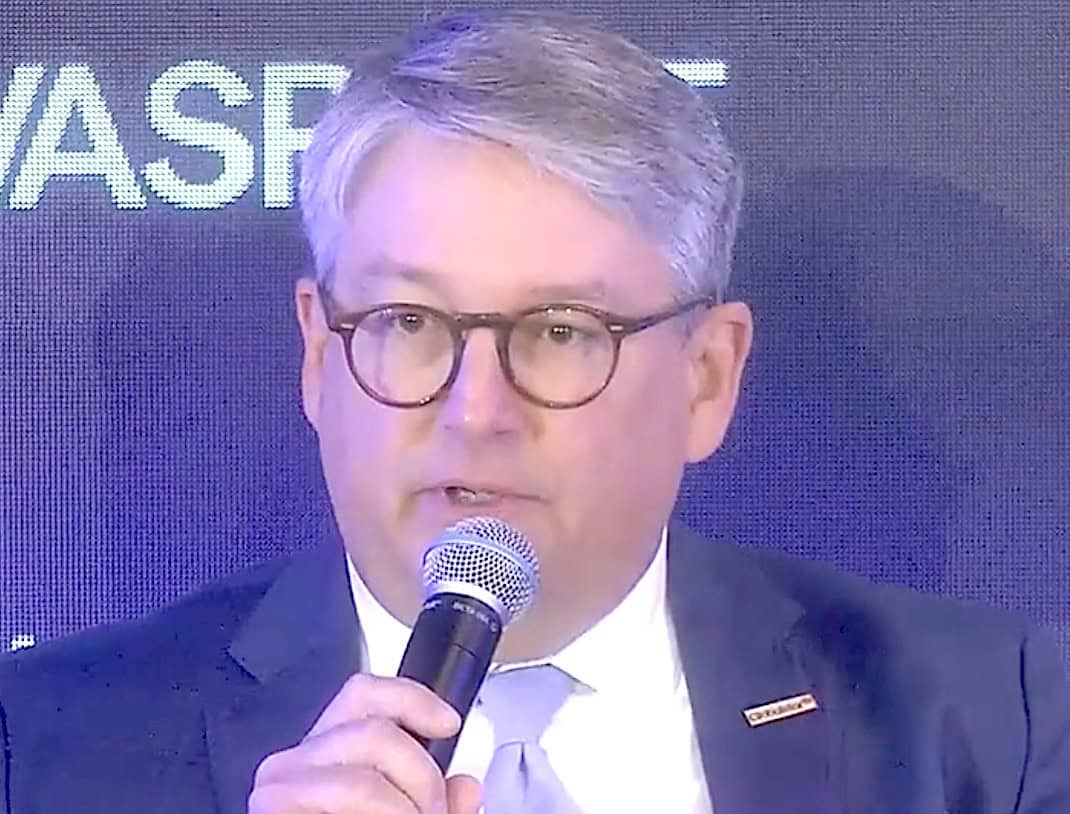
Barbee Ponder. Credit: WSBW video
Globalstar General Counsel and Regulatory Vice President Barbee Ponder said Globalstar’s choices were vindicated by the SpaceX transaction. Globalstar has never believed that terrestrial spectrum would deliver the direct-to-device services that customers want.
“The EchoStar announcement validates every thing that we have done and are doing. It shows the true ability of mobile satellite services spectrum and what it can do globally and quickly. We welcome that transaction. It will not change anything we do in the future.”
Iridium
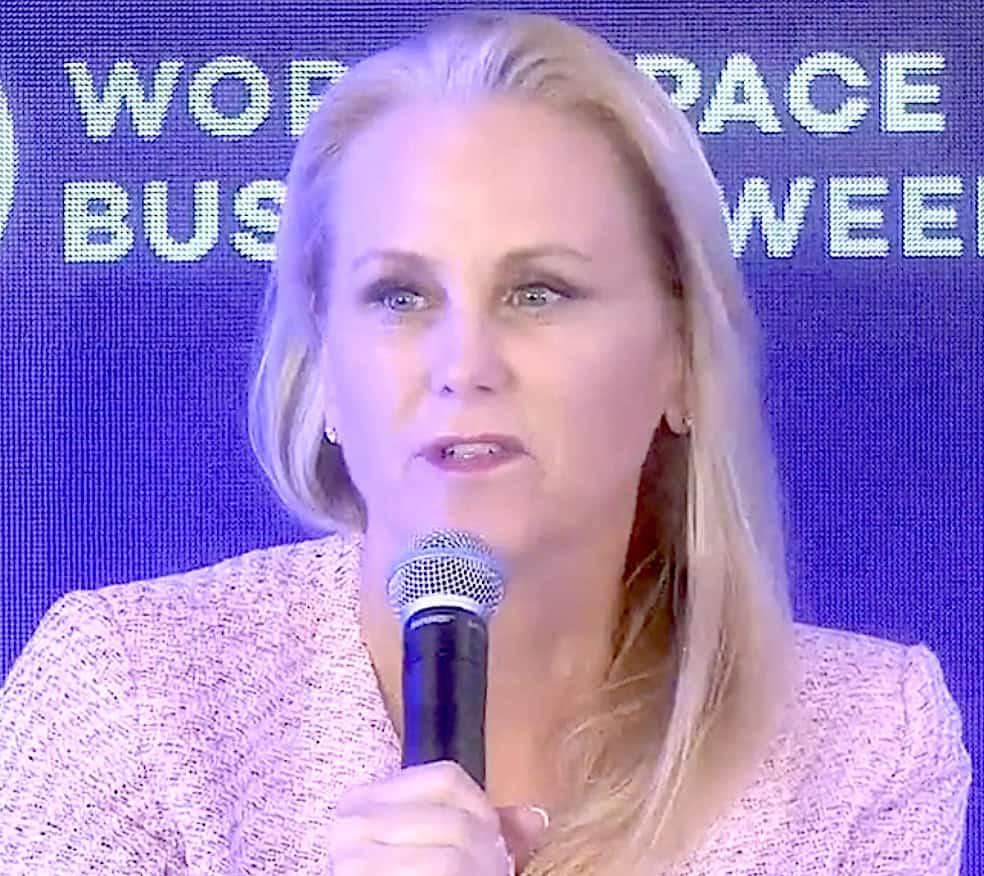
Suzy McBride. Credit: WSBW video
Iridium is the only current mobile satellite services provider with a LEO network that does not need to make large near-term investment in infrastructure. Its 66-satellite constellation, with 14 healthy spares, has years of life left. Adding a D2D service for the network can be handled with a software upgrade.
Iridium on Sept. 16 announced an agreement with Deutsche Telekom to provide global Iridium NTN Direct D2D service starting in 2026. The service will provide IoT, messaging and tracking for multiple markets including automotive and utility monitoring.
Iridium Chief Commercial Officer Suzy McBride said the SpaceX deal makes it all the more important that competing satellite services deliver what they promise.
“It was a big announcement and its going to be disruptive in a lot of different ways,” McBride said. “It will show that there is a lot of interest and a market here and people are willing to pay to be there. However, it was a large amount and everyone knows SpaceX moves fast and furious. We need to make sure we have businesses that can support where we need to be. I think you will see some [prospective entrants] wait and slow down.
“I am glad I am not trying to raise money against this right now or trying to compete directly. I am not sure what some of these big players will do given this announcement. The key is to make sure we are providing a service that is going to be ready quickly, a product coming out soon to support markets we know well, and to be sure it works well, as we promise, and we don’t miss expectations. So there will be excitement as some people think they want to invest. Others will slow down and see what happens. I think we all don’t quite know yet.
“SpaceX with a satellite service using terrestrial spectrum obviously is not working. Both [SpaceX and AST SpaceMobile] have now tilted to getting space spectrum.”
TerreStar Solutions
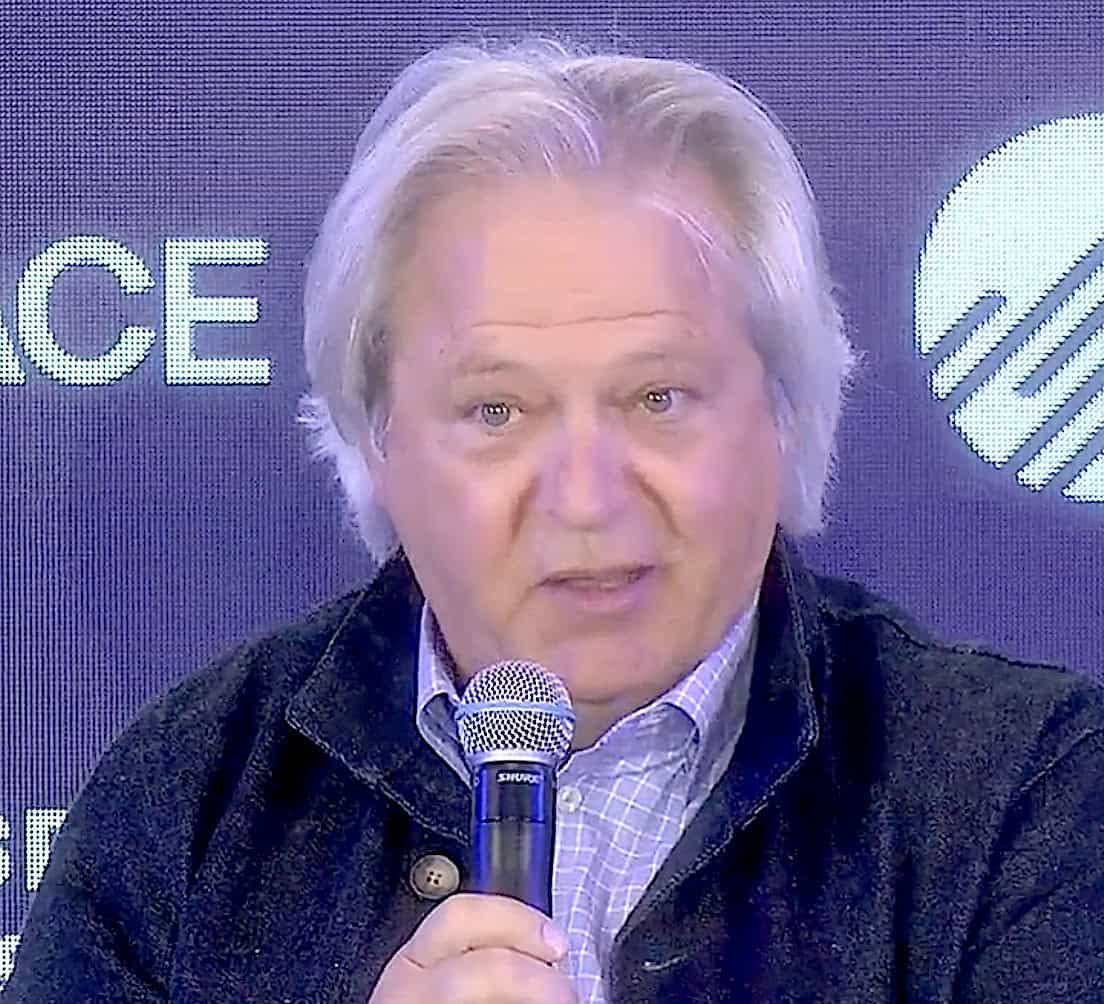
Andre Tremblay. Credit: WSBW video
Terrestar has a slice of S-band spectrum covering only Canada and is interested in becoming part of a broader LEO constellation to secure its business, TerreStar Executive Chairman Andre Tremblay said. He conceded that the company’s current GEO-orbit satellite will not do the job.
“It’s the most important question in the room right now,” Tremblay said of how the market will position itself given SpaceX’s investment. We all have a love-hate relationship with SpaceX. They have all the resources they need in the world, top management, a high-class organization.
“But they cannot be alone. “[D]elivering public policy, delivering sovereignty cannot be owned by a single entity. It is creating a lot of energy for everybody in the field to get their act together, to discuss how we build options that will be stand-alone competition in this environment.
“It is a very positive element and is creating a lot of energy. In my view we have a couple of years as a global set of players to organize ourselves and be up to the task of delivering highly competitive services. It is necessary and possible.”