
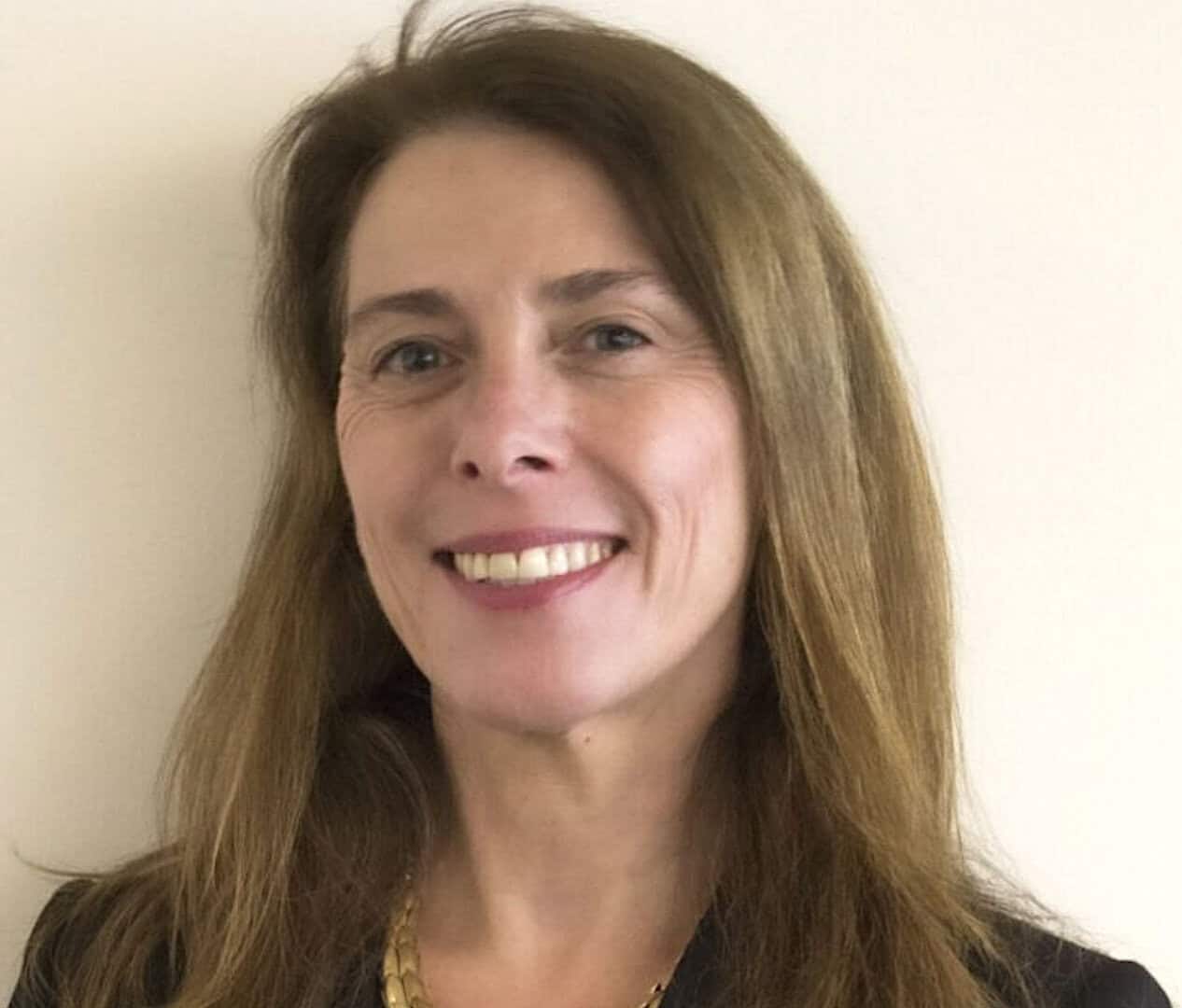
Isabelle Mauro. Credit: GSOA
LA PLATA, Maryland — The 3GPP standards body’s groundbreaking work in embedding satellite connectivity into tomorrow’s terrestrial mobile devices has accelerated billions of dollars of investment in satellite direct-to-device networks and IoT.
More growth is likely as 3GPP prepares improvements in its coming Release 18 and Release 19 standards.
The 3GPP work helped spur a rapprochement between the Global Satellite Operators Association (GSOA) and its frequent spectrum adversary, the GSMA association.
The two organizations in February 2024, in what they called a “pioneering collaboration,” agreed to work together to speed introduction of seamless terrestrial/satellite networks, which promise users the best of terrestrial connectivity’s low cost and wide coverage and satellites’ ability to cover geographies beyond terrestrial reach.
Twenty months later, and two years before the next World Radiocommunication Conference (WRC-27) of global regulators to make spectrum allocations, it appears that global regulators have yet to receive the message.
Satellite service providers, both broadband and narrowband, say the long-standing regulatory bias in favor of fixed and mobile terrestrial links — a heritage, they admit, of a time when satellite links were a last resort — is resistant to change.
In an Oct. 8 address to the International Telecommunication Union (ITU) Space Sustainability Forum, held in Geneva, GSOA Director-General Isabelle Mauro said that despite D2D and IoT growth, regulators appear not to know about it.
“What I am surprised by is that when you speak to regulators and their national plans, so few are thinking of satellite,” Mauro said. “The focus is still fiber or [terrestrial] mobile. Its time to change the mindset. We need to have a dialogue with regulators to be sure that national digital plans include all technologies when they are rolled out.”
The schedule of preparation for WRC-27, a quadrennial four-week conference whose next meeting will be in October in Shanghai, means making the case to regulators has to start now, two years in advance, before their regional groupings have hardened their positions for WRC-27.

Credit: ITU
GSOA in September named a new board, with Ali Al Hashemi, head of space services at UAE-based Space42, the former Yahsat, named chairman. SES Chief Executive Adel Al-Saleh and Jane Egerton-Idehen, chief executive of Nigeria’s Nigcomsat, were named vice chairs. That’s at least three of the six ITU regions represented.
Space42 recently announced an agreement with US-based fixed and mobile satellite service provider Viasat Inc. to create Equatys. Equatys will use the two companies’ combined 100-plus MHz of L- and S-band mobile satellite spectrum as the foundation for is intended as a multi-tent spectrum use model appealing to many mobile satellite service operators as well as other potential investors.
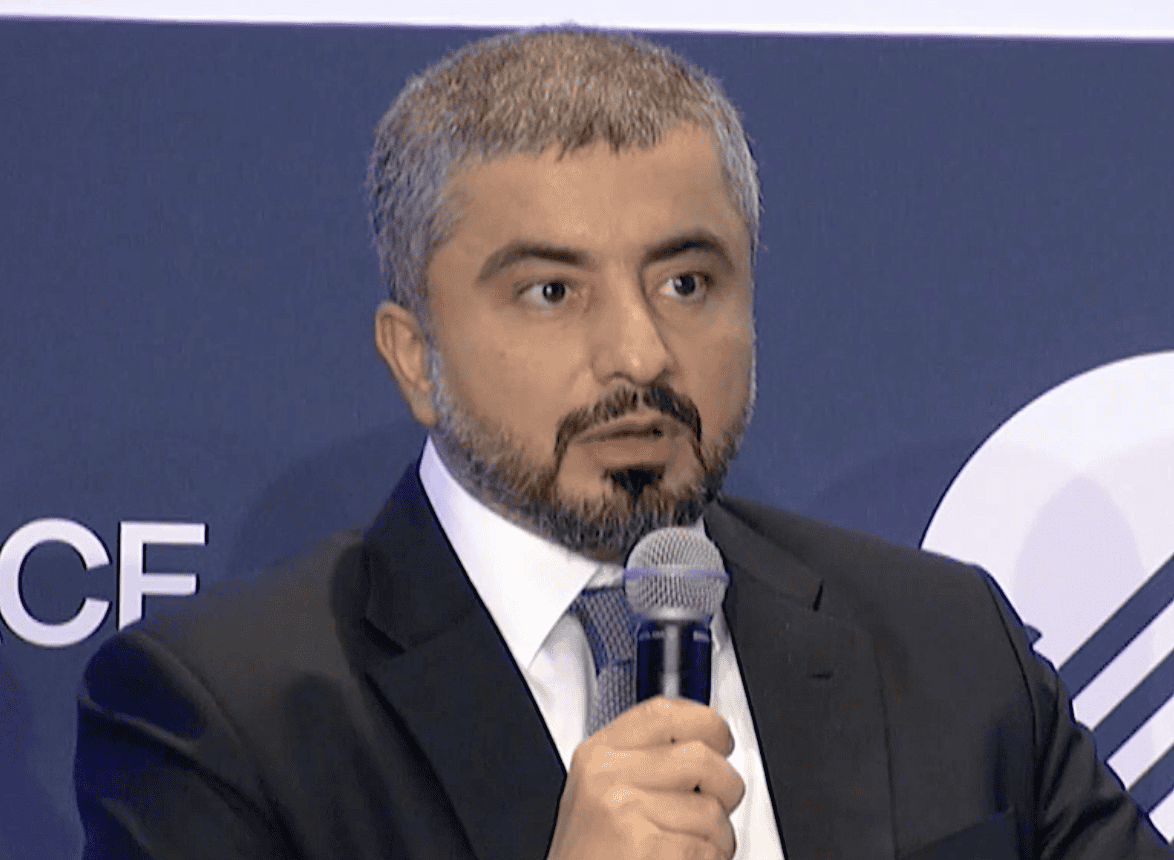
Ali Al Hashemi, Space42. Credit: WSBW video
“It is a win-win for all stakeholders, rather than a winner-take-all alternative,” Al Hashemi said Oct. 8. “Pooling spectrum and infrastructure across multiple orbits, participants will benefit from a scale advantage while limiting their investment. Equatys has compared its structure to the lone-standing cooperation among terrestrial mobile operators to share tower investment, and among subsea cable providers to share infrastructure costs.
“Tower sharing enables operators to reduce costs while maintaining competition,” Al Hashemi sad. “Equatys applies the same principles to space, for smartphone and IoT devices requiring zero modification or specialized hardware.”
Equatys also appeals to concerns among some ITU member nations that global satellite networks, for fixed and mobile connectivity, could bypass national terrestrial infrastructure and deny governments the right to control communications on their territory.
The Equatys model “allows governments to maintain full sovereignty of their infrastructure, data and deployment, and allows spectrum holders to reach underserved markets. There is both independence and collaboration,” Al Hashemi said.
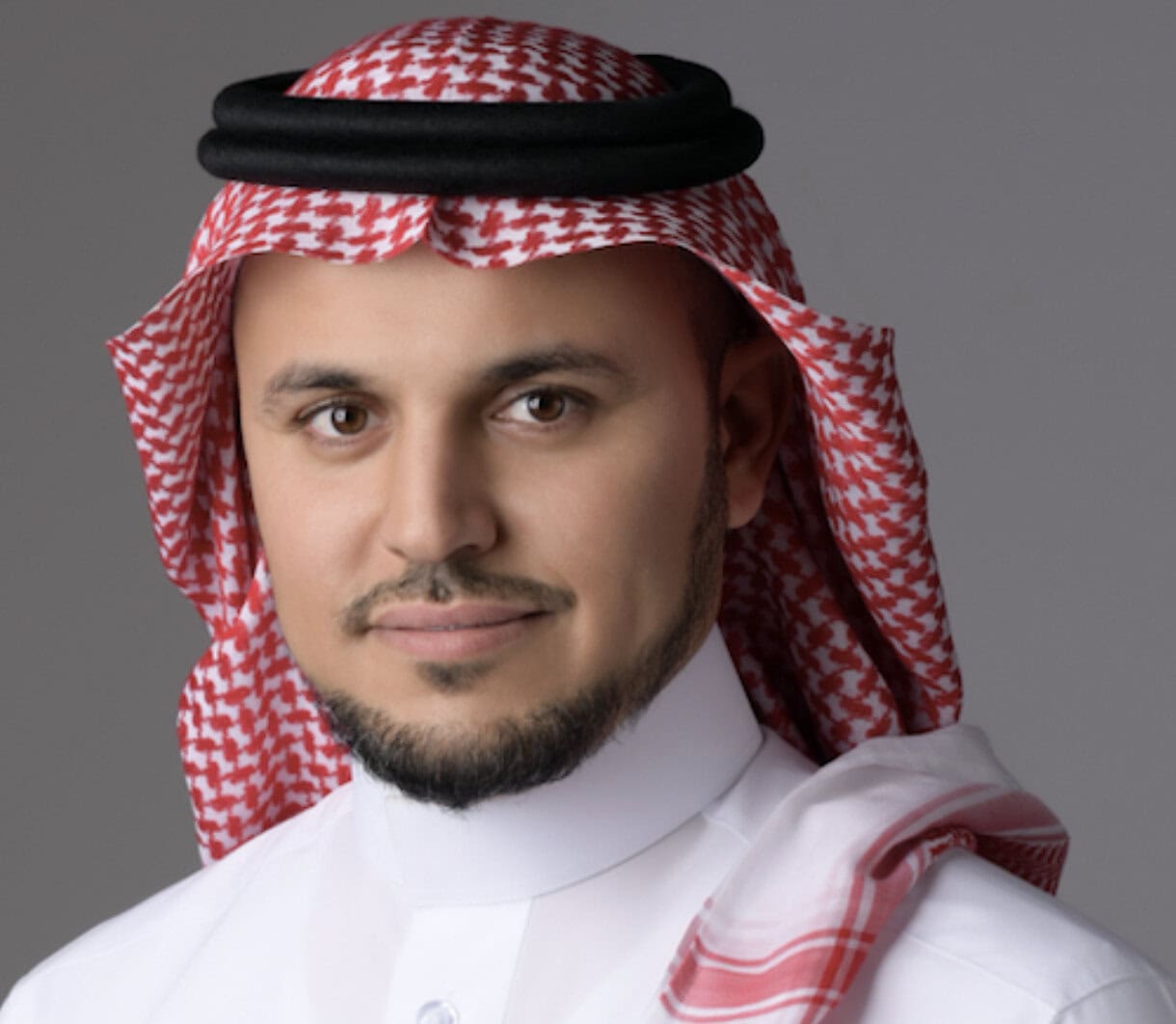
Khalid Slshathri. Credit: Saudi CST
Saudi Arabia’s Communications, Space and Technology (CST) Commission regulator is positioning itself as a forward-looking agency ready to welcome new applications on behalf of universal connectivity.
Nonetheless, Khalid Alshathri, CST general manager of space sector development, agreed that space regulators do not like abrupt change, whatever the benefits.
“For space regulators, space is disruptive,” Alshathri said. “They have regulations created decades ago. They want to get the best from these regulations and then make any necessary modifications to their equations. But this will take a very long time. That’s why we need other areas’ regulators just just space. It could be agriculture or transportation or others.”
Saudi Arabia’s National Regulatory Committee (NRC) was established to break down barriers between different regulatory sectors to allow digital technologies to penetrate all areas of activity, including space technologies.